CLGF at the Pre-COP 31 in Fiji
The Pre-COP 31, 5-8 October, is being hosted by the Government of Fiji and it will include a Leaders Meeting which will take place in Tuvalu. The Pre-COP is the final major diplomatic moment before COP31 and wi ...

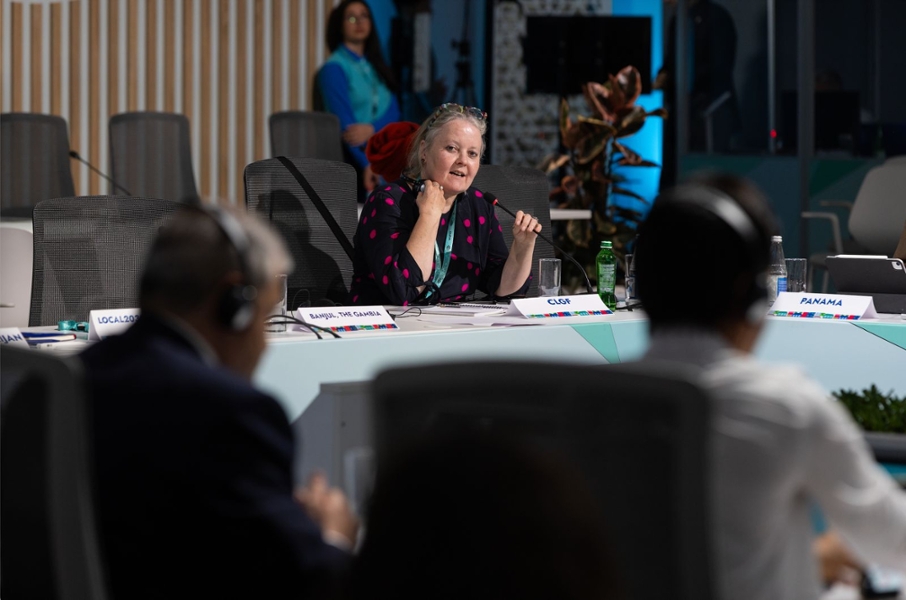
Under the theme “Housing the world: Safe and resilient cities and communities”, the 13th World Urban Forum (WUF13), held in Baku, Azerbaijan, brought together global urban practitioners, policymakers, and civil society leaders to set the agenda for policy and action on addressing the global housing crisis. In particular, housing was positioned as a key driver of inclusive, resilient and sustainable urban development.
Representing the Commonwealth Local Government Forum (CLGF) and our strategic coalitions, Secretary-General Lucy Slack actively shared members’ views as part of the Global Taskforce on the role of local and regional governments (LRGs) in securing resilient communities, while advocating for institutional capacity and knowledge-building frameworks to support them in fulfilling their mandates. She also highlighted relevant research findings and good practices on sustainable urbanisation from the Commonwealth Sustainable Cities Initiative (CSCI), helping to amplify LRGs’ voices and solutions on the global stage.
.jpg)
Central to the discussions at WUF this year was the recognition that sustainable urbanisation can only be achieved by empowering those at the forefront of implementation: local and regional governments. Delivering infrastructure coordination, strategic planning and public services, LRGs are the primary frontliners in localising international commitments. This is in line with the broader principles promoted by the World Assembly of LRGs that global challenges must be addressed through cooperation, effective multilevel governance and solutions grounded in local realities.
On May 19, Lucy Slack, CLGF SG, representing the Global Taskforce on LRGs, moderated a session at the High-Level LRGs Roundtable, convening global leaders and experts to share impactful, on-the-ground practices on housing policy and implementation. To enable LRGs’ full potential and effective service delivery, robust multilevel governance arrangements are needed to structurally align local mandates with the powers, financing, and institutional recognition required. Furthermore, the housing agenda must also be addressed alongside essential public services - including water, sanitation, energy, mobility, care, and territorial equity, to bring real, lasting impact to citizens' lives.
.jpeg)
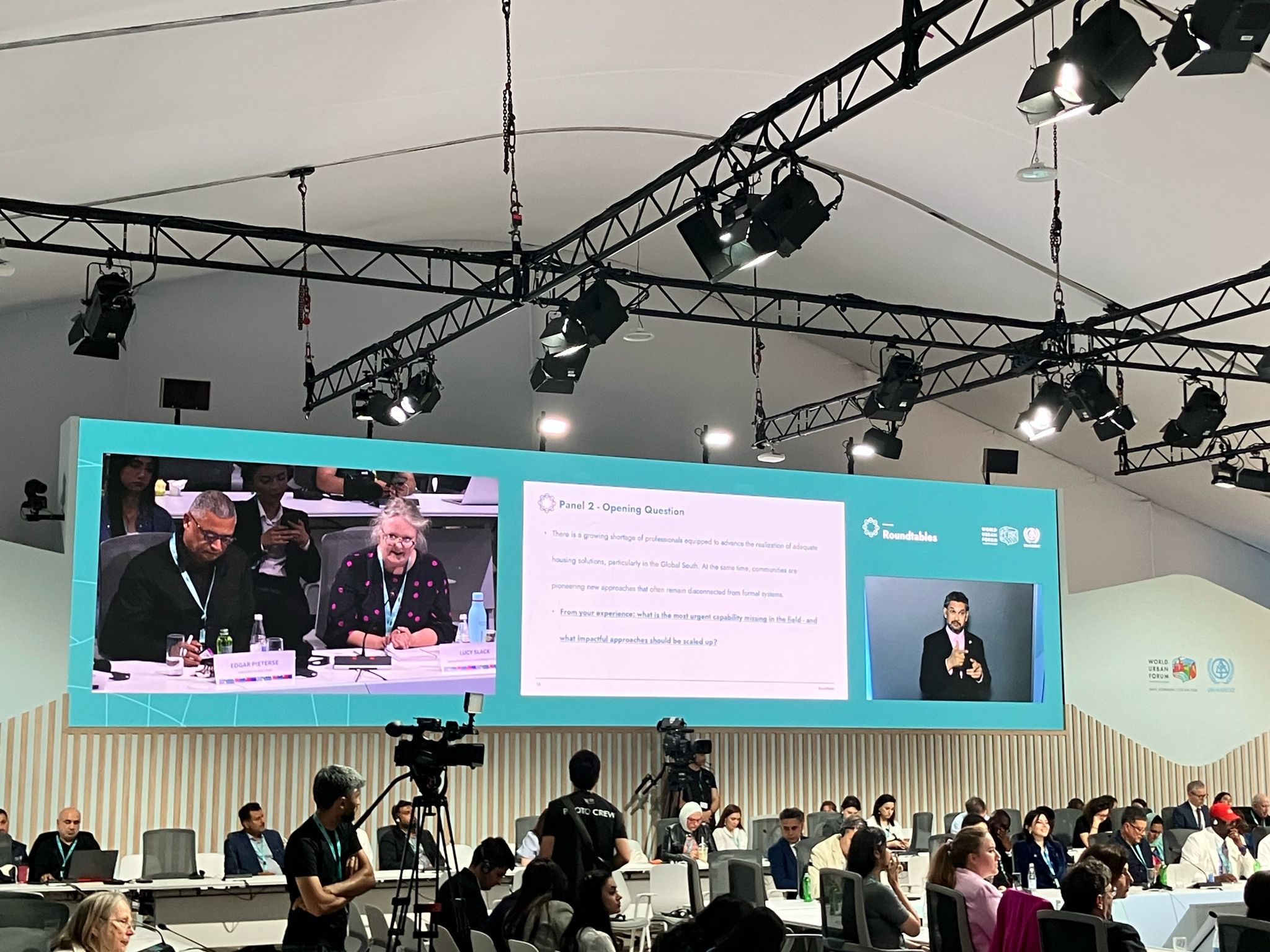
During the Academia and Research Roundtable on May 21st, CLGF joined academic leaders to advance a critical solution for adequate housing: strengthening the knowledge and capacity of local leaders and urban practitioners. Speaking on the Education panel, CLGF emphasised that sustainable urbanisation is multi-faceted; hence, the housing challenge cannot be tackled in isolation but requires more integrated skills, and education opportunities for key areas such as strategic planning and urban finance.
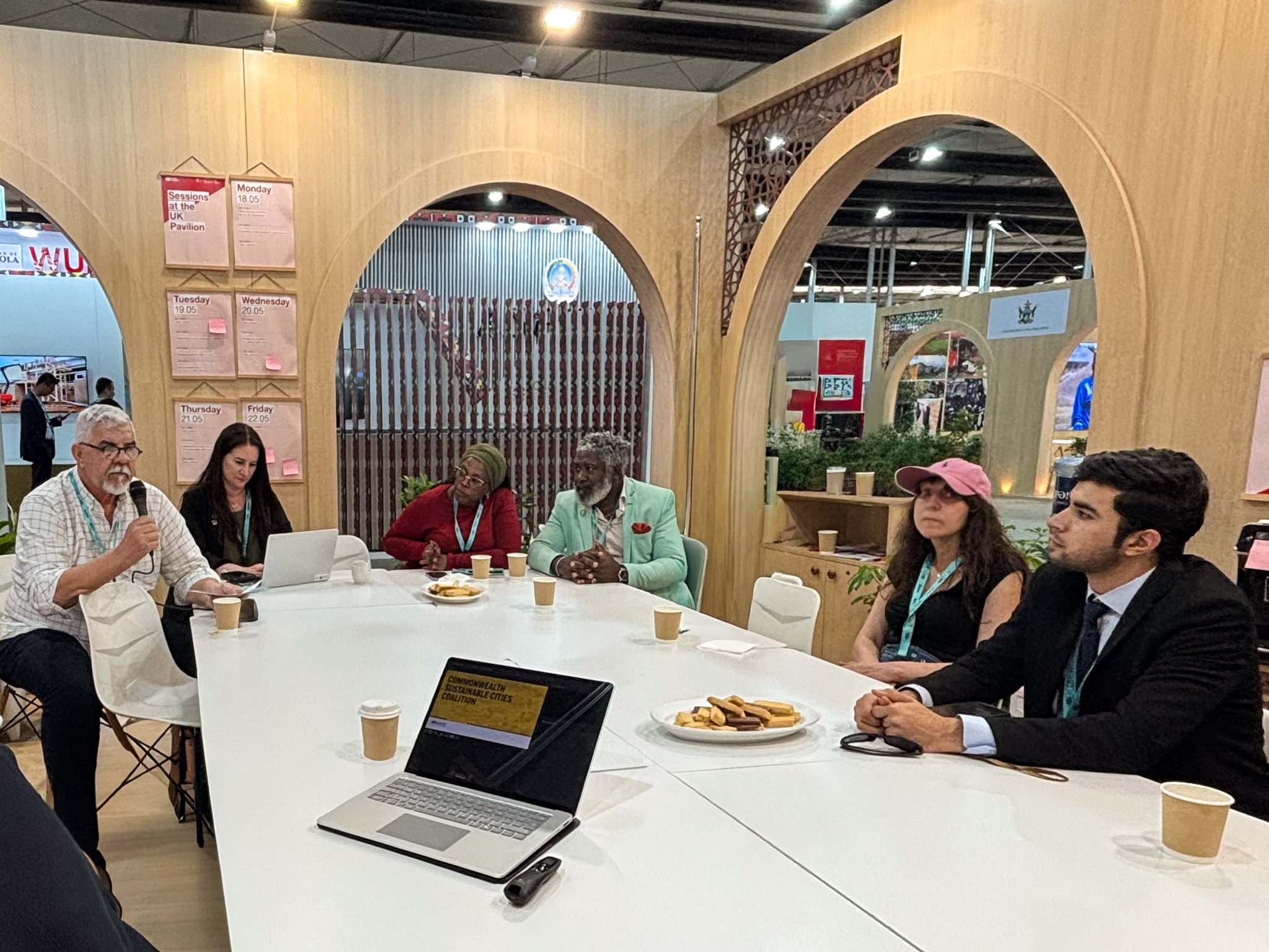
Together with Peter Oborn, Immediate past President of the Commonwealth Association of Architects (CAA), Ms Slack promoted the recent outcomes of the Commonwealth Sustainable Cities Initiative (CSCI) through a dedicated briefing at the Foreign, Commonwealth & Development Office (FCDO) pavilion on May 22nd.
The session fostered wide-ranging and dynamic discussions, placing a strong emphasis on local communities’ role in the urbanisation process, land and land management, climate finance, and the importance of reflecting rural perspectives. The briefing particularly put a spotlight on the related research, case studies and future implementation priorities of the CSCI’s Action Groups established on Urban Finance, Housing and Integrated Planning, alongside the Expert Group on skills and capacity.
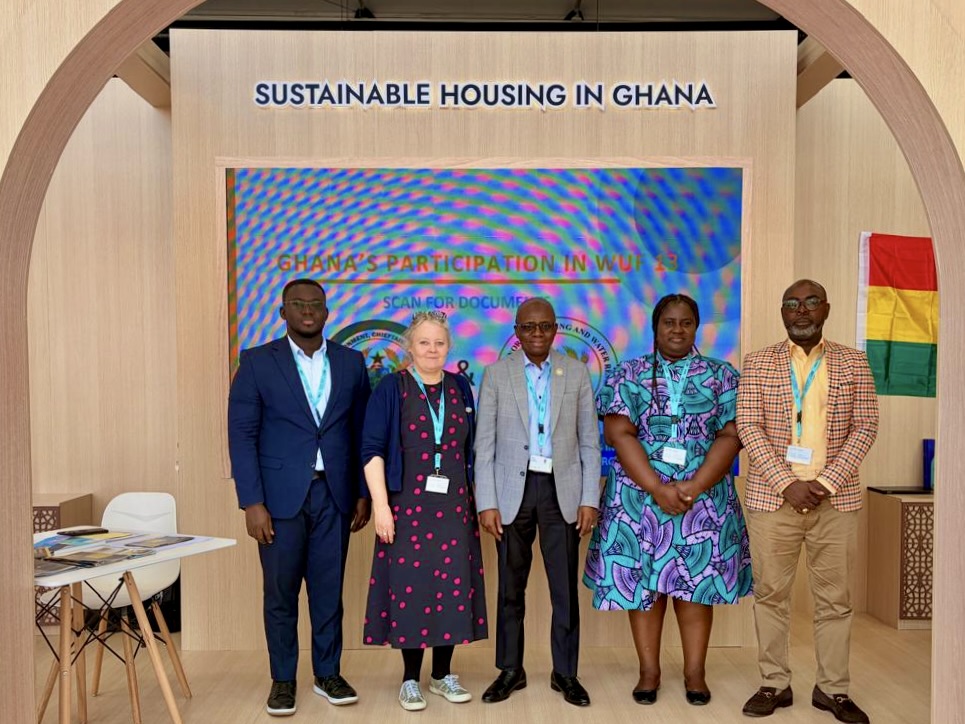
Complementing the formal sessions, Ms Slack also engaged in a series of bilateral meetings with CLGF member organisations and international partners throughout the week. It was an opportunity to connect with members from around the Commonwealth, as well as development partners, to discuss emerging priorities and areas for possible collaboration. This is important as CLGF works to update its strategic plan.
WUF 13 successfully concluded with the Baku Call to Action, shaped by collective voices from 176 countries. This outcome sets out a shared path forward to building cities that are truly inclusive, resilient and capable of providing safe housing for all.
For CLGF and our global network, the takeaways from Baku are clear: addressing the housing crisis requires integrated efforts that cross traditional boundaries. We, therefore, call for solutions that are multi-disciplinary, multi-actor, and fostered through systemic cooperation across multilevel governance frameworks. Local governments have to be key partners in delivering the Call to Action.
Beyond Baku and WUF 13, CLGF remains committed to translating these high-level political commitments into meaningful, practical impact. This year sees the 10-year review of the New Urban Agenda and the Review of SDG11. By working closely with our global partners across the Commonwealth and around the world, we will continually advocate for stronger multilevel governance, fiscal capacities and cross-sectoral partnerships towards sustainable urbanisation.
Back to News